As someone who went through k-12 schooling amid an emerging and then rapidly changing technologies in the classroom, I find the questions of How, When, and Why use technology in classrooms a very interesting one.
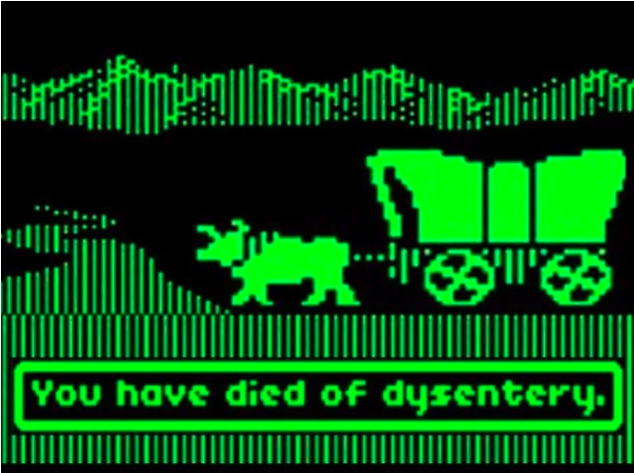
I went from classrooms with two computers at the back of the room, to the availability of computer labs, to being expected that computers would be used at home. The primary use of these computers were to complete a finished, typed product and occasionally if you finished your work, you could play Oregon Trail or a math game I have forgotten. The VHS was rolled in when teachers wanted to show educational videos (the time we watched a woman giving birth in Biology 10 will forever haunt me).
Working in a school for the past three years has shown me that technology in the classroom can be beneficial when used intentionally and can be problematic when used to substitute for teaching. I have been thinking a lot lately about the different ways technology can support teaching (showing a video/zooming in an expert) and can support learning (research/making a final assessment video, poster or paper). The three models for integrating technology into the classroom we looked at were SAMR, TPAK, and Constructive Alignment.
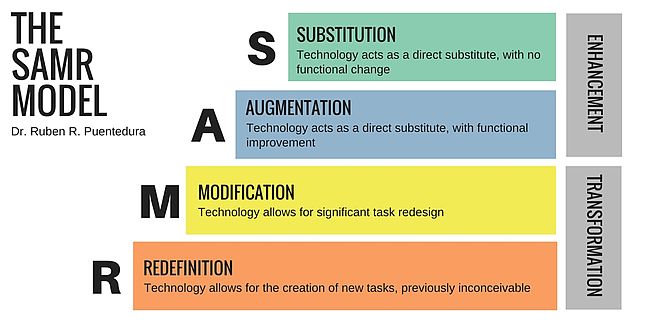
SAMR (Substitute, Augement, Modify, Redefine)
Using technology effectively requires thinking about how the technology will enhance/transform teaching and learning and SAMR focuses on four ways to think about doing this. Remembering that teachers can be effective without the use of technology is key, then you can imaging how the technology you could use will effect the teaching and learning happening in your classroom.
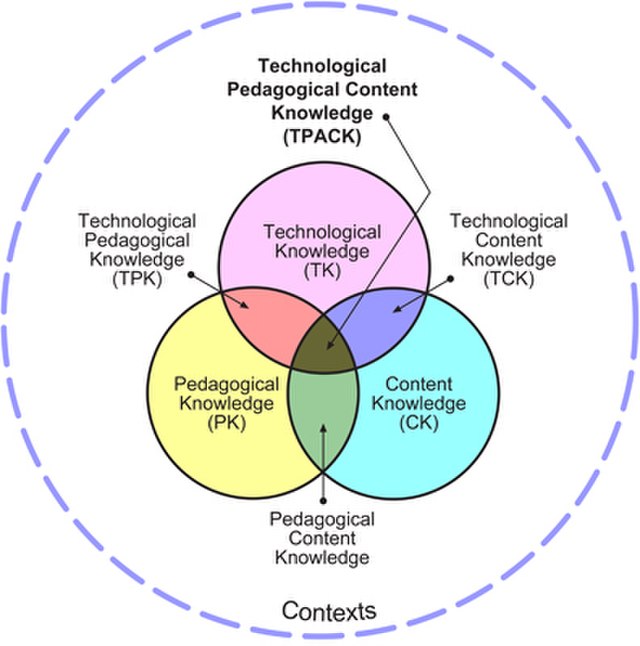
TPAK (Technological Pedagogical Content Knowledge)
Teachers can bring together technological knowledge, pedagogical knowledge, and content knowledge in a meaningful way. Teachers have a lot on their plate when teaching with technologies and part of that responsibility is to teach how to use technology critically and effectively. This model incorporates that.
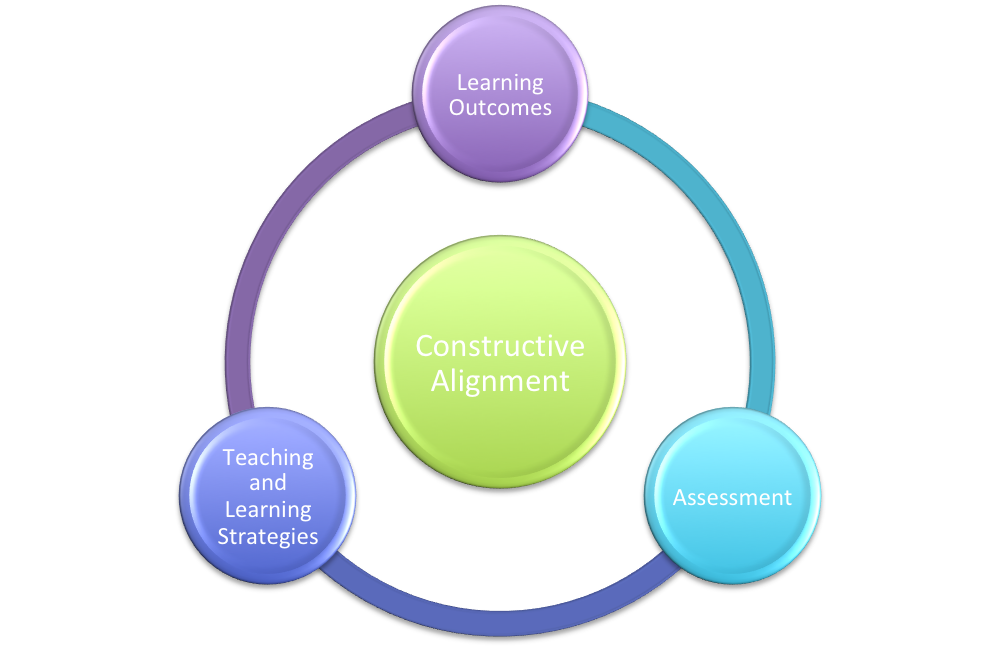
Constructive Alignment
Keeping constructive alignment in mind when using technology means always designing for learning and integrating technology in ways that make learning meaningful. Don’t loose sight of the learning outcomes (Big Ideas) when integrating the technologies into teaching or assessment.
Overall, I am excited to use technology in my classroom, but come at it with a critical eye. I think it has a time and a place, and from what I’ve learned in regards to any of these models, thinking carefully about How? Why? and When? I use it is the key to keeping it an effective tool.
Leave a Reply
You must be logged in to post a comment.