
Tracy Humphreys, founder and chair of BC Ed Access, spoke with us about technology and inclusion in BC classrooms and the work her volunteer organization does to advocate for families of students with disabilities.
The most common things Tracy hears from families are that schools technology is outdated, difficult to access, there is no training or support for families, and there is no central person to contact about tech concerns. Tracy and BC Ed Access support families through these, and other difficulties, by means of their support group, by advocating on their behalf to the government, and by helping individual families with their inclusion difficulties.
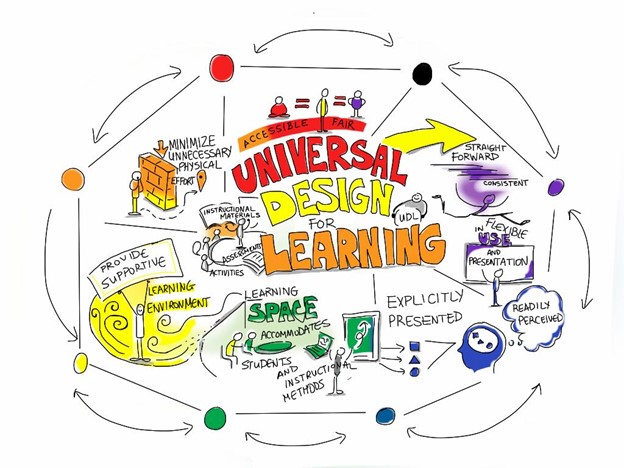
The biggest take-away from her talk for me was that technology is not the answer for all students. I think teachers tend to think about tech as the best way to support students with diverse learning needs, but Tracy challenged us to think about each student’s individual needs. She mentioned that UDL (Universal Design for Learning) has been a great step in recognizing that adaptations and supports for one student often are great for all students and doesn’t single any student out. What UDL boils down to is focusing on what you want students to learn, and how can you support them to reach that goal. This requires teachers to be flexible and compassionate when designing lessons.
The best thing teachers can do, according to Tracy, is to be an advocate for their students. This means getting to know them and their individual needs, and asking them what their needs are so it is an open conversation about learning. This, coupled with an awareness about what your school/district offers in terms of supports (including technology) will help teachers support their students.
Leave a Reply
You must be logged in to post a comment.