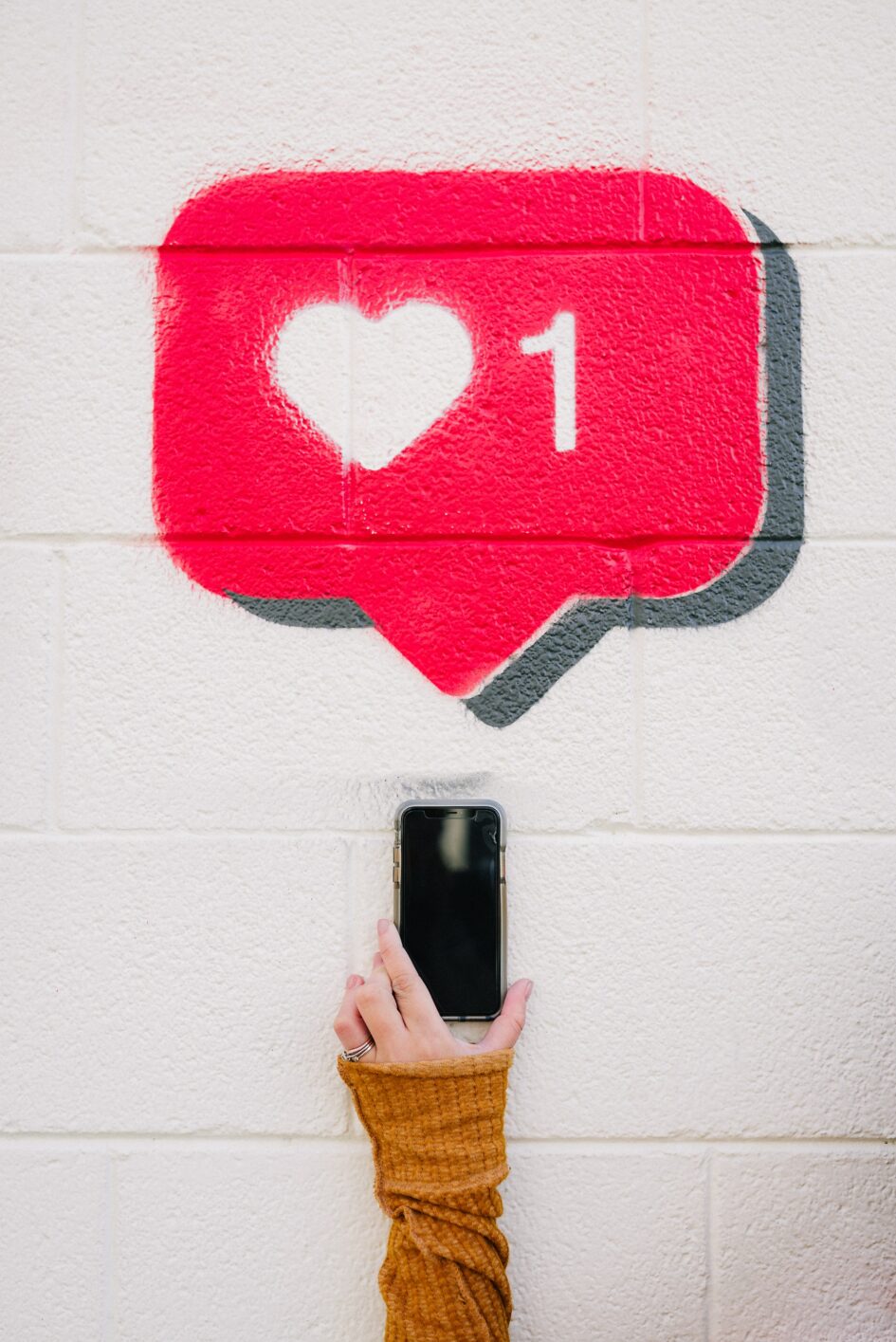
This week we had a guest speak to us about technology in the classroom. The main discussion point was Digital Literacy for both students and teachers.
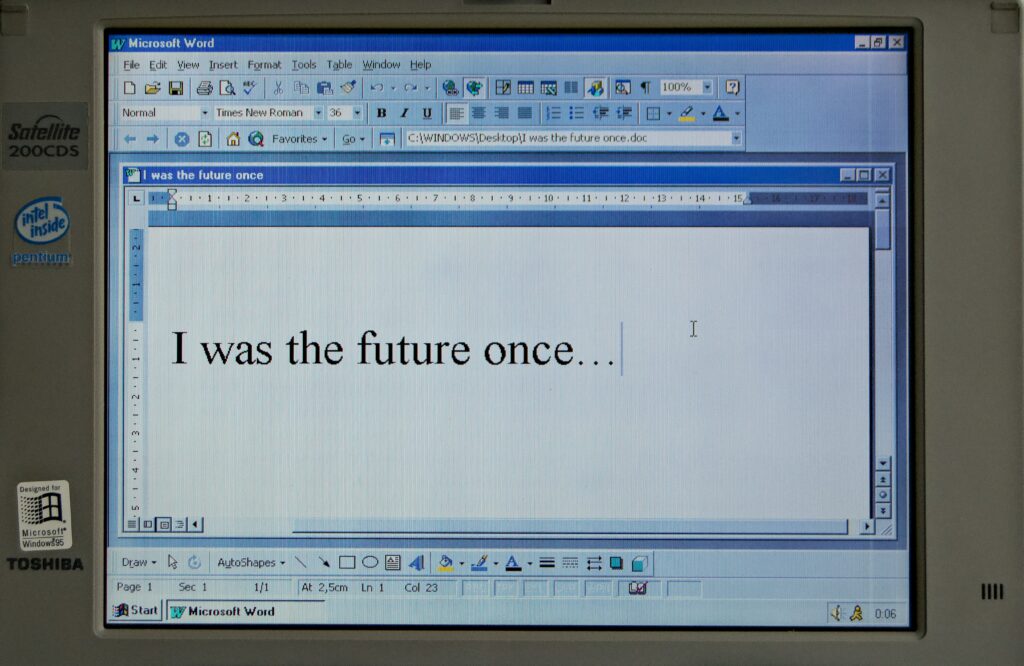
Schools have changed since I was a high school student. Now phones, computers, and other digital technology are integrated into student experiences and the way students interact with each other – and with teachers – has changed. The days of MSN messenger and ICQ have evolved into Facebook, Instagram, TikTok and more. Social media is a literacy that is learned and perfected over time, and teachers have a role in shaping it.
Digital Literacy, according to the B.C. government, is “the interest, attitude and ability of individuals to appropriately use digital technology and communication tools to access, manage, integrate, analyze and evaluate information, construct new knowledge, create and communicate with others.” I like this definition because it encompasses the proficient use of digital technology with the knowledge to think critically about its use. It is equally important for both teachers and students to learn how to use digital technology to aid their teaching/learning, and to learn how to use it appropriately in different social contexts.
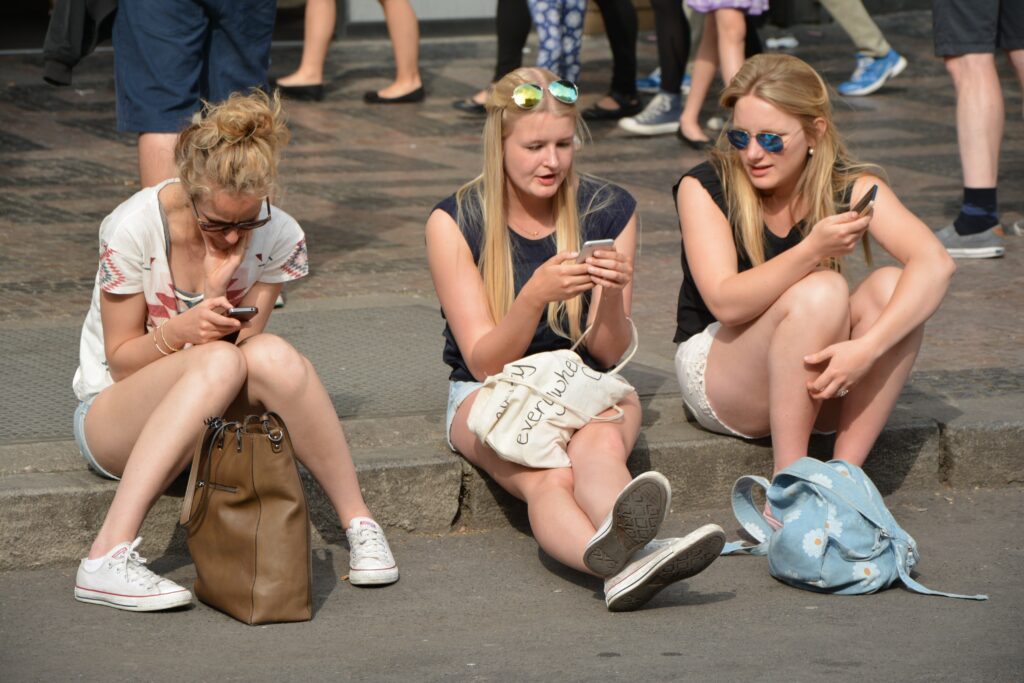
What stuck with me after this discussion was the idea of Network Citizenship. It refers to the etiquette required for participation in a certain network/online presence. Common expectations we identified were communicating with respect and respecting other members’ privacy. Students need to be aware of the impact their actions have on the online community, the consequences of their actions online, and their digital footprint.
To do this, teachers can model good network citizenship, encourage healthy use, bring awareness to the impacts of actions/comments, and bring awareness to how data can spread in online communities, who may be collecting their data, and for what purpose. Remember that perceptions are important, and both teachers and students need to be thoughtful about who their audience is when they post online, and what that audience’s intentions may be.
What resonated with me was the idea of social media as an amplification of in-person socializing. Many of the same rules and etiquette apply, and there can be larger ramifications for mistakes. With that in mind, making mistakes is inevitable and, just as in analog social situations, learning from mistakes and growing from them is how we develop into good citizens and more proficient participants on social media. A teacher’s role is therefore to teach students the skills they need to be safe, considerate, and effective with their online presence and usage of Social Media.
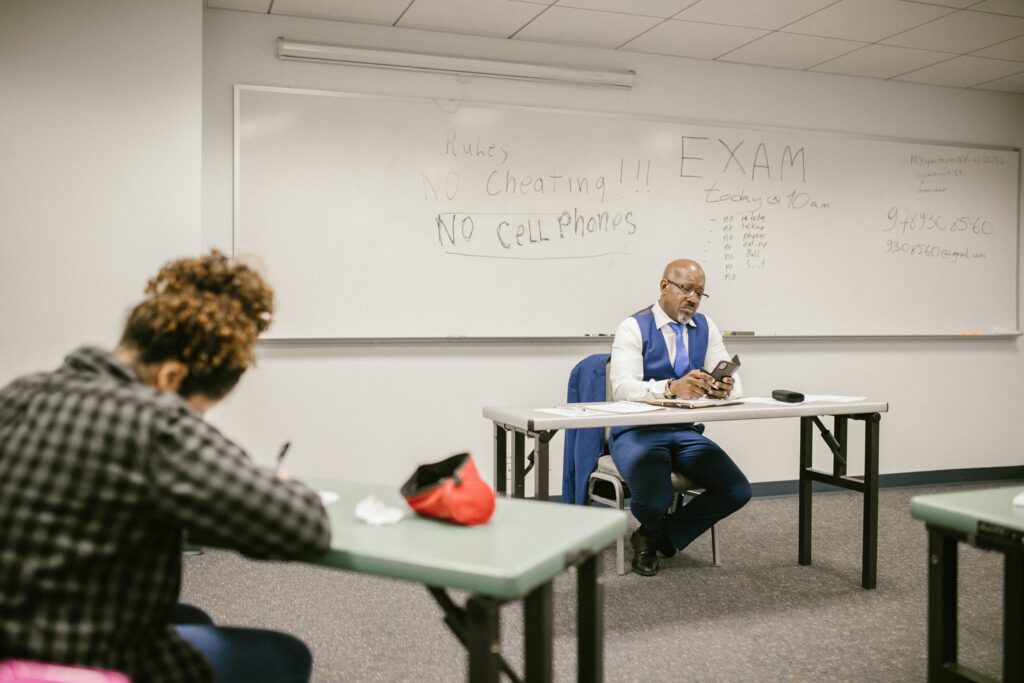
That ultimately leads to the question of Social Media in the classroom itself. I can see the value in having the afore mentioned conversations about digital literacy and citizenship, however, I am hesitant to bring social media, or even cell phones into my classroom. The potential they open up for cyber bullying and inappropriate use in the classroom seems to risky for me. A colleague of mine ended up as a TikTok video made by a grade 6 student of theirs and I do not want to end up as a viral video or meme. Instead of completely banning phones from my classroom, I do plan on teaching students proper phone/school etiquette and give them the skills need to put down their phones and pay attention. Just like I used to have to put down the pen and paper and stop passing notes.
Some Articles I found on students and social media are:
https://www.danah.org/books/ItsComplicated.pdf
Some resources I found to help me teach Digital Literacy and Citizenship are:
https://www.educationworld.com/a_tech/responsible-student-technology-use.shtml
https://edtechuvic.ca/remoteteaching/tag/digital-literacy/
https://edtechuvic.ca/remoteteaching/tag/digital-citizenship/
Leave a Reply
You must be logged in to post a comment.